The history of boat insulation is closely linked to the story of the evolution of maritime exploration.
It reflects our continuous quest for better materials and techniques to enhance the comfort, safety and performance of all kinds of boats navigating the planet's oceans and waterways.
Laminate boat insulation (also known as marine insulation) has been used for many years in boat construction.
The exact date of its first use is challenging to identify; however, it likely evolved alongside advancements in boatbuilding materials and techniques.
Laminate insulation became more common as fibreglass and other composite materials gained traction in the marine industry during the mid-20th century. These materials provided lightweight and durable options for boat construction, and insulation was often incorporated into the design for comfort and safety.
A short history of boat insulation.
Early methods carried out by ancient civilizations like the Greeks used basic methods, such as animal hides and wool to line the interiors of a boat. These materials provided some level of thermal insulation and protection against moisture.
Later in the middle ages, boatbuilders started experimenting with other materials. They started using layers of tar, pitch, and cloth to waterproof and insulate the hulls of wooden ships. These materials also helped protect against the harsh marine environment.
During the Age of Exploration, which began during the Tudor dynasty, there were more advancements in the design and construction of ships.

The 15th and 16th centuries brought about advancements in ship design and construction. As intrepid explorers ventured into chillier waters, the need for better insulation transpired. Sailors began using materials like cork and felt to insulate the interiors of their ships, providing better protection against the cold and dampness.
Boat insulation techniques further evolved during the industrial revolution.
During the Victorian age, there were significant advancements in shipbuilding materials and techniques. Shipbuilders started using materials like fibreglass and foam insulation to improve the thermal efficiency of boats. These materials offered better insulation properties and were also lighter and more durable than traditional materials.
Nowadays, the insulation of boats has become more sophisticated and specialised.
Closed-cell foam insulation, spray foam, and reflective insulation are commonly used to provide thermal insulation and moisture resistance in boats. These materials help regulate interior temperatures, prevent condensation, and enhance overall comfort for passengers and crew.
Specialized Applications: In addition to thermal insulation, modern boats may also incorporate soundproofing materials to reduce noise levels and improve acoustics. This is especially important for recreational boats and luxury yachts where passenger comfort is a priority.
Laminate boat insulation serves several purposes:
Firstly it provides excellent temperature control. It helps regulate the temperature inside the boat, keeping it warmer in cold weather and cooler in hot weather. This is essential for comfort and energy efficiency, especially in regions with extreme temperatures.
It can also help to reduce levels of noise.
Laminate insulation reduces noise levels within the boat, creating a quieter and more peaceful environment. This is particularly important for boats with loud engines or in areas with high ambient noise.
Boat engines can be noisy, especially in smaller vessels or when cruising at higher speeds. Sound insulation helps to dampen the noise generated by the engine, making for a more pleasant experience.
By reducing engine noise and minimising the transmission of other sounds from the water and wind, sound insulation can make the interior of the boat a more comfortable and relaxing environment.
Laminate insulation materials have moisture-resistance properties.
This can help protect your boat's interior from water damage. This is crucial for maintaining the structural integrity of the boat and preventing mould or mildew growth. Some laminate insulation materials are also designed to be fire retardant. They can add an extra layer of safety in case of accidents or emergencies. In short, laminate boat insulation enhances comfort, safety, and durability, making it an essential component for many marine applications.
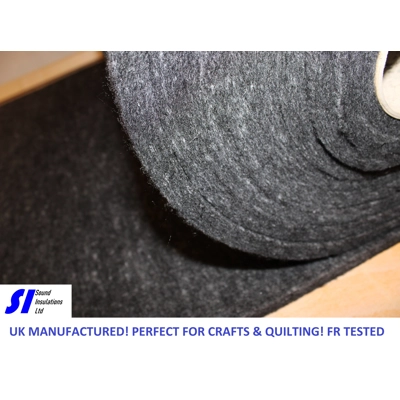
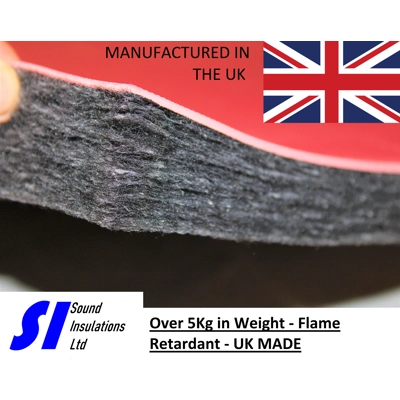
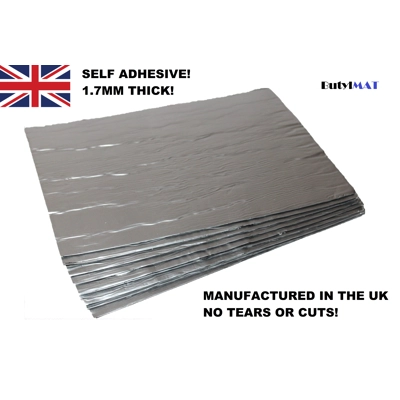
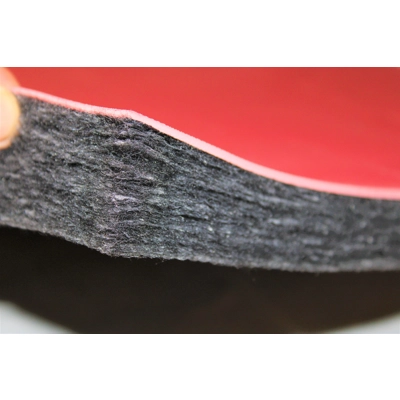
Our products include Dlam24 Marine Laminate Sound Deadening Insulation Thinsulate.
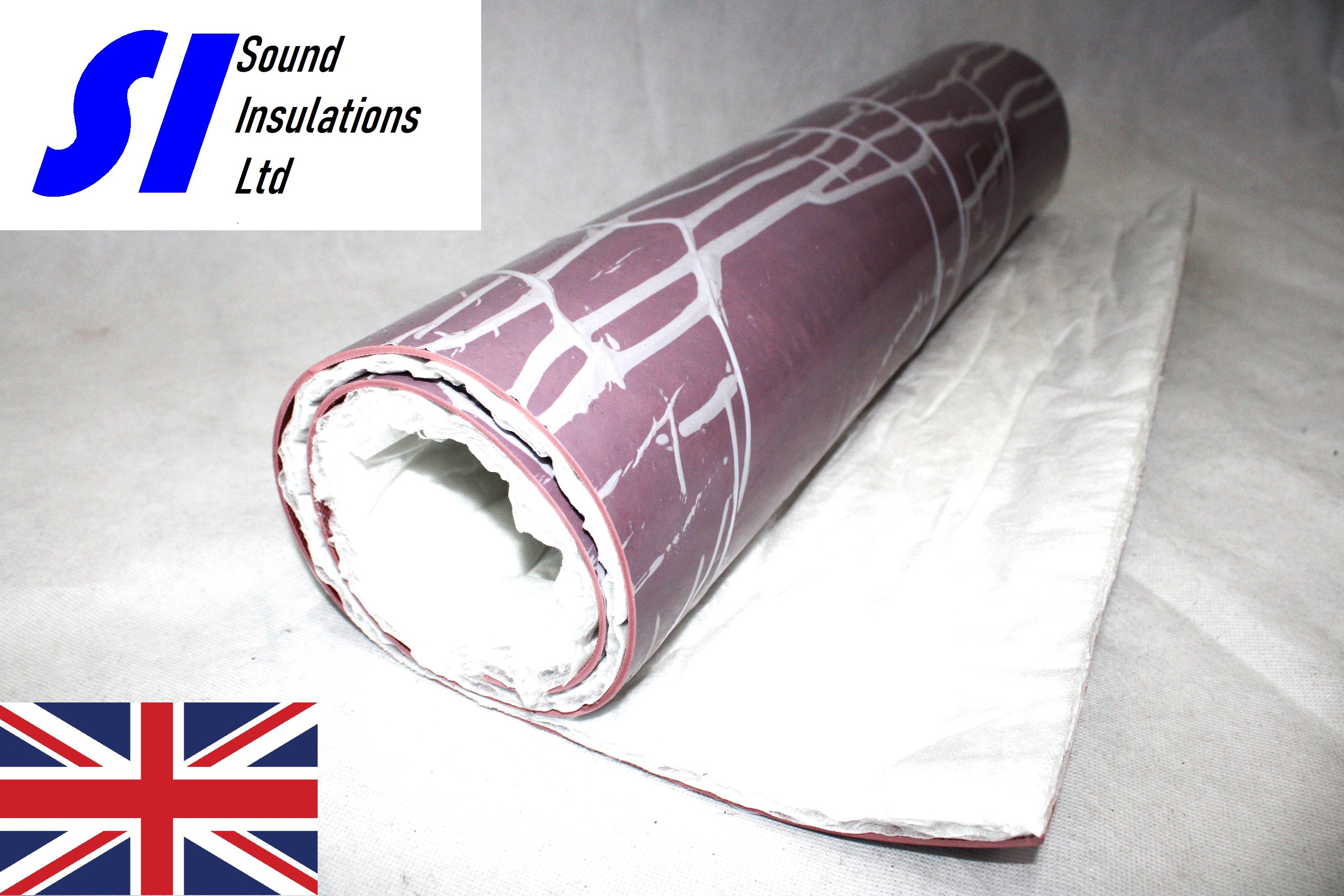
This insulation is both flame retardant and waterproof, along with being capable of deadening sound.
Manufactured in an ISO9001 & ISO14001 accredited facility, this insulation is ideal for a wide range of applications. It provides a highly flexible self adhesive mass layer which is designed for commercial and industrial applications to reduce sound transmission.
DeciLAM is manufactured sustainably in the UK and uses over 50% recycled thermoplastic in the composition of the acoustic barrier layer. It is a low tack PVC chloride free, low odour, low VOC and is 100% recyclable.
It is also free from substances of very high concern (SVHC) such as lead, halogens and unrefined aromatic oils.
Choose these laminate insulations and you’ll benefit from many benefits, including first-class sound reduction properties. It also has an excellent fire classification, with low smoke and toxicity on burning. Low VOC and with little odour, it’s also completely recyclable.